
As of late June 2026, the Dallas-Fort Worth housing market is still expensive compared with where it was a few years ago, but the answer depends on which number you are looking at. Some reports use median listing price. Others use median sales price, average sales price, or city-level data. Those numbers can tell very different stories.
So what is the current average home price in DFW?
A practical working range for the Dallas-Fort Worth-Arlington metro is roughly the low $400,000s when looking at metro-level listing data. Realtor.com-related metro reporting showed DFW with a median listing price around $412,500 in early 2026. Another Realtor.com-based 2025 value report placed the DFW median listing price around $420,000, with a median price per square foot around $204.
That does not mean every buyer in DFW needs $420,000, and it does not mean every seller should price near that number. It simply gives us a starting point for the broader metro.
Other reports look at different slices of the market. Redfin-based reporting from March 2026 showed Dallas at about a $499,000 median price, while the Texas statewide median was about $342,000. Nationally, the National Association of Realtors reported the U.S. median existing-home price at $429,300 in May 2026. Reuters also reported the national median new-home price at $424,900 for May 2026.
Why the DFW average can be misleading
DFW is not one market. It is a collection of smaller markets that often move differently at the same time. Dallas, Fort Worth, North Fort Worth, Keller, Southlake, Flower Mound, Roanoke, Northlake, Denton, Wise County, Parker County, Johnson County, Collin County, and Ellis County can all produce very different price points.
A $425,000 budget might buy a newer single-family home in one area, an older home needing updates in another, or only a smaller property in a high-demand school district. In some neighborhoods, new construction incentives can put pressure on resale homes. In others, limited inventory can still keep prices firm.
Buyers should focus on payment, not just price
For buyers, the headline price is only part of the decision. Mortgage rates have generally stayed in the 6% to 7% range, which means monthly payment matters more than the list price alone. Taxes, insurance, HOA dues, and maintenance can also change affordability quickly.
Use the metro average as a starting point, then narrow the search by city, school district, commute, property type, age, condition, lot size, and nearby new construction. A buyer looking in North Fort Worth, Keller, Northlake, or Roanoke may have a very different experience than a buyer looking in Dallas, Southlake, or Flower Mound.
Sellers need to price against today’s competition
For sellers, the big takeaway is simple: pricing correctly matters. Buyers have more information, more payment sensitivity, and in many DFW submarkets, more choices than they had during the hottest parts of the market.
An overpriced home can sit longer, which can lead to price reductions, repair requests, or seller concessions. A well-priced home, especially one that shows well and competes cleanly against nearby listings, can still get strong attention.
Example: what does $425,000 buy in North Texas?
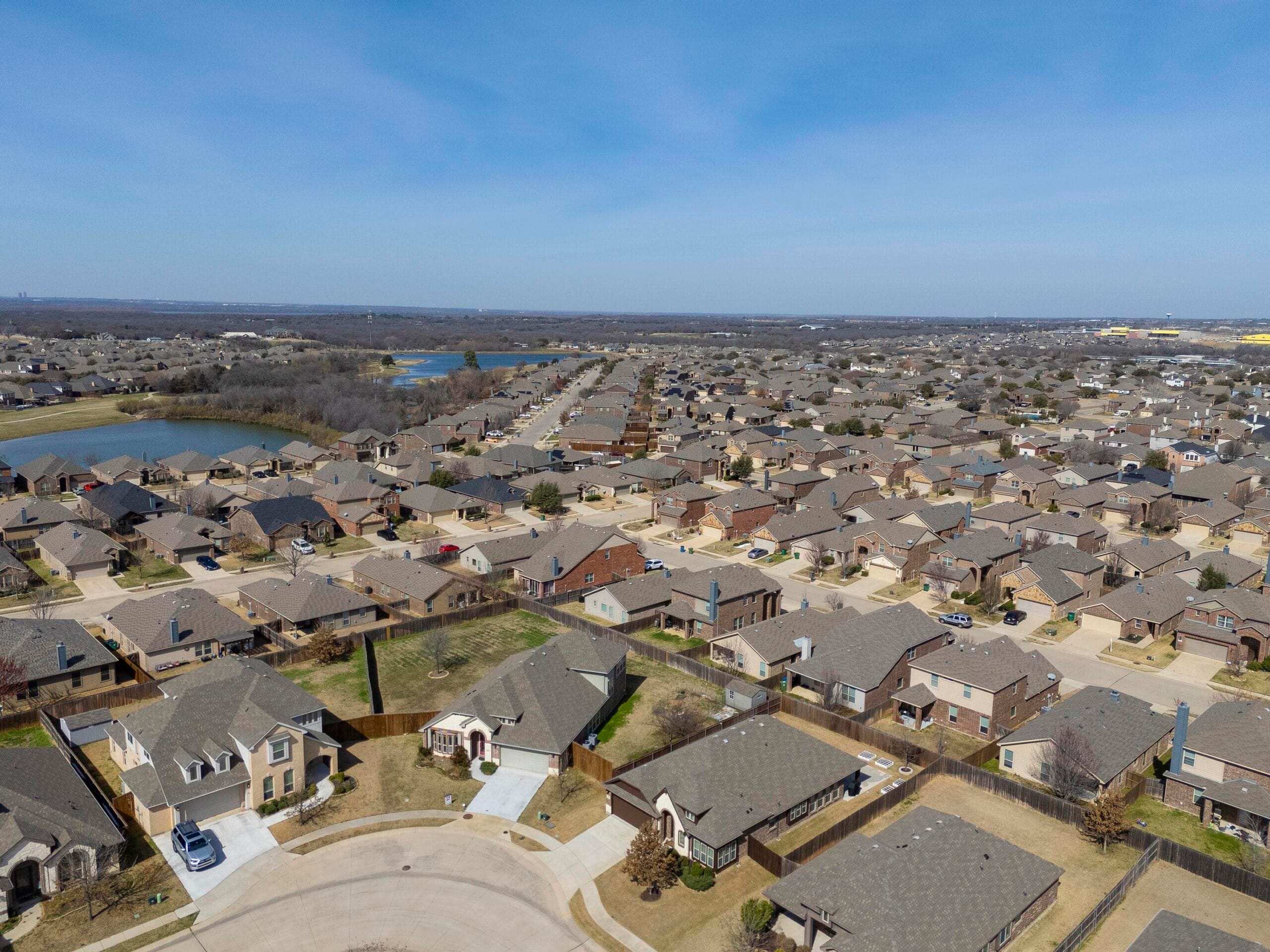
A buyer with a $425,000 budget could be in a solid position in several parts of North Texas, but the tradeoffs change by location. In North Fort Worth or parts of Denton County, that price may open the door to newer homes, larger floor plans, or communities with more recent construction. In Keller, Flower Mound, or Southlake, the same budget may mean a smaller home, an older property, or fewer options. In parts of Wise, Parker, Johnson, or Ellis County, buyers may find more land or square footage, but commute and local amenities become a bigger part of the decision.
Bottom line
If someone asks, “What are the average home prices in Dallas-Fort Worth?” the fair answer is this: broad DFW averages are currently around the low $400,000s depending on the source and metric, but the number that matters most is the current price range for the exact neighborhood, property type, and condition you are comparing.
This is general market information, not a formal valuation or appraisal. Before buying or selling, the right move is to pull current MLS comps for the specific city, neighborhood, school zone, and price range.
If you want current neighborhood-level pricing for a home in the Dallas-Fort Worth area, reach out to Chris Mitchell with Selling NTX. I can help you compare the broad market data against what is actually happening in your specific part of North Texas.
Sources referenced include Realtor.com metro reporting, Redfin market data reporting, National Association of Realtors May 2026 existing-home data, and Reuters/Census May 2026 new-home data.