North Texas Home-Buying Guide
What Are Red Flags When Buying a House in Texas?
Buying a house in Texas means looking beyond whether you like the kitchen,
floor plan, or backyard. Some of the biggest red flags I watch for are signs
of foundation movement, roof damage, water intrusion, plumbing or electrical
problems, aging HVAC equipment, and evidence that routine maintenance has
been neglected.
But a red flag does not automatically mean I think a buyer should walk away.
My job is to notice things that deserve a closer look, help my buyer
understand what we know and what we do not know, and then bring in the right
professionals when necessary. Ultimately, the buyer decides what level of
repair, expense, and risk they are comfortable accepting.
Quick Reference
Red Flags I Pay the Most Attention To
These issues do not automatically make a house a bad purchase, but they
usually deserve additional investigation before a buyer moves forward.
Foundation
Cracks, separation, unusual floor movement, or doors and windows that
do not operate normally.
Roof
Missing or damaged shingles, visible deterioration, leaks, or other
signs the roof deserves a closer evaluation.
Water & Moisture
Water stains, damaged window sills, plumbing concerns, or other evidence
of past or current water intrusion.
HVAC
Older equipment, poor performance, or visible signs that routine
maintenance may have been neglected.
Electrical & Plumbing
Problems involving major systems can be substantially different from
minor cosmetic or handyman repairs.
Deferred Maintenance
Several smaller neglected items together can raise questions about how
consistently the entire property has been maintained.
The Exterior
I Start Looking for Red Flags Before We Walk Through the Door
When I am showing a house, I am not just opening doors and pointing out
features. I am looking at the property from the moment we pull up.
As I approach the house, I am looking at things such as:
- How well the yard and landscaping have been maintained
- Tree limbs, bushes, or vegetation touching the house or roof
- Rotted or deteriorated exterior wood
- Wood that appears to have been painted over rather than repaired
- Visible roof damage or missing shingles
- Cracks in brick or masonry
- The condition of windows and exterior trim
- Other obvious signs of deferred maintenance
What I am really looking for:
None of these things by itself necessarily means there is a major
problem. I am trying to determine whether I am seeing an isolated
maintenance item or clues that there may be something larger worth
investigating.
Inside the Home
What I Notice When We Walk Inside
One of the first things I notice when I enter a house is actually the smell.
Strong pet odors concern me because the problem may go beyond simply
cleaning the carpet. Odors can sometimes be difficult to eliminate if they
have affected flooring, walls, or other materials.
Then I start looking more closely at the house itself.
I am watching for cracks in walls, nail pops, water stains, damaged window
sills, sloping or unusual floors, broken switches and fixtures, plumbing
problems, and other signs of deferred maintenance.
I also pay attention to details buyers might overlook.
For example, I look at air-conditioning registers, ceiling fans, and
similar areas. If vents have heavy dust buildup or appear dirty around
them, that is not proof that the HVAC system has been neglected. But it
makes me pay closer attention.
If you are preparing your house for sale, you are probably trying to make
it look its best. When obvious maintenance items have not been addressed,
I start wondering about the things we cannot see.
Major Systems
The Six Big-Ticket Areas I Want Buyers to Pay Attention To
I prepare my buyers for the inspection before we ever get to the inspection.
I tell them not to expect a perfectly clean inspection report. Even new
construction can have deficiencies. Houses are built by people, maintained
by people, and people make mistakes.
What matters is understanding the difference between relatively minor
repairs and problems that could involve substantial expense.
Foundation
Roof
HVAC
Plumbing
Electrical Systems
Water Heater
These are not the only things that matter, but problems involving these
systems can be substantially different from fixing a door, replacing an
outlet cover, touching up paint, or handling a minor handyman repair.
Texas inspectors are required to evaluate and report on numerous systems
and components under the Texas Real Estate Commission’s Standards of
Practice. For example, inspectors evaluating foundations report visible
indications that may be used to form an opinion about adverse performance,
including sloping floors, cracks or separations, non-latching doors, and
movement in masonry cladding.
TREC’s current inspection standards
explain the required scope.
I do not try to diagnose these problems myself.
I can recognize something that concerns me, but the next step is getting
the appropriate professional involved.
Foundation
Foundation Warning Signs Deserve More Investigation
In North Texas, I am particularly attentive to signs that could indicate
foundation movement.
That includes things such as:
- Cracks in brick
- Cracks or separations inside the house
- Noticeable floor movement
- Doors that do not seem to operate normally
- Windows that do not seem to operate normally
Seeing a crack does not automatically mean a house has a failing foundation.
It means I want more information.
If something concerns us, I typically recommend that my buyer investigate
it during the option period rather than guessing about what it means.
The same principle applies throughout the house: identify the warning sign,
then get someone qualified to determine what is actually happening.
Roof
Roof Condition Is Especially Important in North Texas
Roofs get a lot of my attention because of the weather we experience in
North Texas.
I am looking for visible damage from the ground, but I am also looking
around the neighborhood.
If we are driving in and I am seeing roofing-company signs, homes getting
new roofs, or tarps on roofs, that is useful context. It does not prove the
house we are considering has roof damage, but it is certainly a reason for
me to recommend taking a closer look.
I also do not assume a roof is fine simply because of its age.
Condition matters.

representative stock image, not a specific property discussed in this article.
The Texas Department of Insurance advises consumers that roof age and
condition can affect coverage. Depending on the insurer and the policy, an
older or poorly maintained roof may receive reduced coverage, and a roof in
poor condition may not be covered at all.
TDI’s March 2026 roof-insurance guidance
explains the questions homeowners should ask.
Insurance deserves attention early.
That is why I want buyers talking to their insurance professional when we
have concerns about a roof. I do not want to discover an insurance problem
right before closing.
My
North Texas home-insurance guide
covers additional questions buyers should ask before the contractual
deadlines expire.
Real Transaction Example
A Roof Once Caused One of My Buyers to Terminate
One transaction illustrates why I take these issues seriously.
I have worked extensively with an investor who has purchased numerous
properties with me in the 76244 area. We found a townhome in a community
where he specifically wanted to acquire additional properties.
The seller accepted our offer but made it clear that she did not intend to
make repairs.
We already knew the property needed some work. There was deteriorated wood
around door frames, flooring-related items, and an oven with broken front
glass. My buyer understood those issues when he made the offer.
Then we had the property inspected.
The roof was in extremely poor condition.
There were missing shingles and areas where the roofing material had
deteriorated to the point that the underlying roof structure was exposed.
That changed the conversation.
Even though the seller had said she would not make repairs, we requested
that the roof be addressed. My buyer was not comfortable taking on the
property with the roof in that condition, and I was concerned about both
the expense and potential insurance implications.
The seller would not agree, so my buyer terminated during his contractual
option period.
The seller eventually replaced the roof and increased the asking price.
We considered the property again but decided not to pursue it because we
believed our original negotiated price appropriately reflected the value of
the property.
We did not terminate simply because an inspection report contained
problems. We terminated because a significant problem changed the
economics and risk of the purchase for that particular buyer.
Another buyer might make a different decision.
Mechanical Systems
Older HVAC Systems and Water Heaters Are Not Automatic Deal Breakers
Age alone does not necessarily make an HVAC system or water heater defective.
But I want my buyers to understand what they are purchasing.
If an HVAC system is older or does not appear to be operating properly,
I may recommend having an HVAC professional evaluate it during the option
period.
The same idea applies to plumbing or other major systems. A general home
inspector gives us an important overview, but sometimes the inspection
identifies something that deserves evaluation by a specialist.
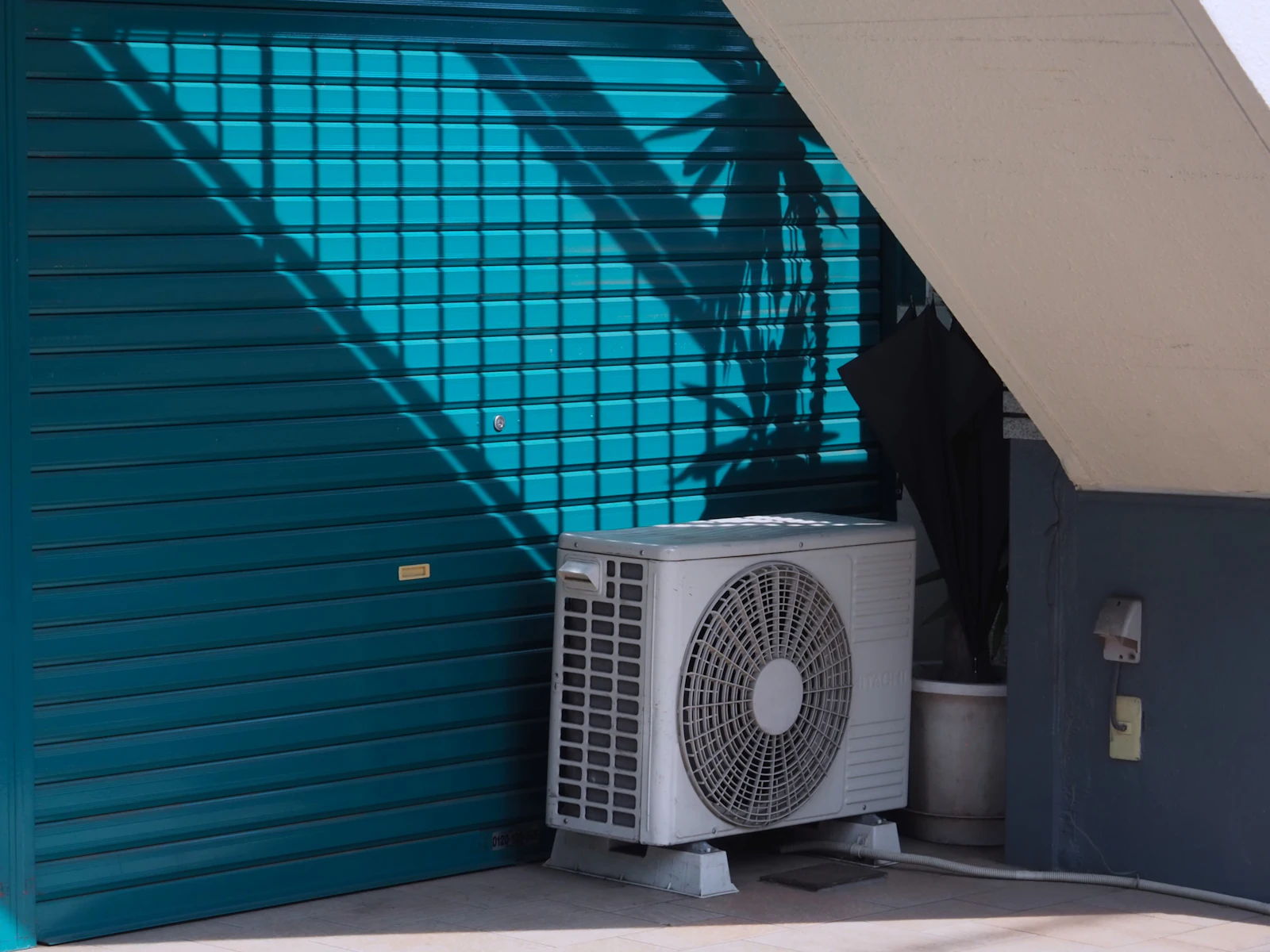
should understand condition, performance, and likely near-term cost.
Representative stock image.
The goal is not to scare buyers away from older equipment.
It is to prevent an expensive surprise from becoming their problem
shortly after closing.
Inspection Strategy
Do Not Let a Long Inspection Report Scare You
One of the biggest mistakes buyers can make is judging an inspection solely
by how many pages it contains.
Inspection reports can contain a lot of items.
Some might require a qualified contractor. Others may be relatively
straightforward maintenance issues. I help my buyers separate those smaller
concerns from the items that deserve the most attention.
I generally do not recommend treating an inspection report like a shopping
list and automatically asking the seller to repair every item.
There is a practical reason for that.
Minor Items
Smaller maintenance concerns may matter, but they do not necessarily
deserve the same negotiating priority as major systems.
Decision-Changing Issues
I would rather focus the conversation on problems that could materially
affect the buyer’s cost, risk, financing, insurance, or willingness to
purchase the home.
A seller may agree to everything, agree to nothing, negotiate a concession,
or agree to address only certain items. If we give the seller a huge list
containing both major and minor repairs, we should not assume they are going
to choose the same items the buyer considers most important.
I would rather have a focused conversation about the issues that actually
affect my buyer’s decision.
The broader
DFW home-buyer negotiating guide
explains several ways price, repairs, credits, and other terms can fit together.
Texas Contract Timing
The Texas Option Period Matters
For many Texas resale transactions, the negotiated option period gives
buyers an extremely important opportunity to perform inspections,
investigate concerns, and decide whether they still want the property.
Under the current TREC One to Four Family Residential Contract (Resale),
TREC No. 20-19, which became effective July 1, 2026, the buyer can receive
an unrestricted right to terminate during the negotiated option period when
the contractual requirements are satisfied.
TREC’s current contract forms page
lists the current resale contract.
Important Deadline
5:00 p.m.
Paragraph 5 of the current resale contract states that notice under the
termination option must be given by 5:00 p.m. local time where
the property is located on the specified date.
That is why I do not like waiting until the final afternoon to start
negotiating inspection issues.
If we are concerned about the foundation, I want the appropriate evaluation
scheduled quickly. If we need a roofer, HVAC technician, plumber,
electrician, or another specialist, I want to start that process early
enough for my buyer to actually use the information.
The purpose is not just to collect reports. It is to give my buyer enough
information and enough time to make a decision.
Red Flag vs. Deal Breaker
A Red Flag Does Not Always Mean You Should Walk Away
This is probably the most important point.
I do not have one universal threshold where I tell every buyer,
“This house has this problem, so do not buy it.”
Different buyers have different tolerances.
A buyer purchasing a heavily discounted property with money budgeted for
renovations may be perfectly comfortable taking on repairs that would make
another buyer walk away.
An investor evaluates a problem differently than someone who wants a
move-in-ready home.
Price
Repair Cost
Financing
Insurance
Available Cash
Risk Tolerance
Price matters. Repair cost matters. Financing matters. Insurance matters.
The buyer’s available cash matters. And their willingness to deal with the
problem after closing matters.
My role is to make sure the buyer understands the issue before
making that decision.
The Details Matter
The Smaller Red Flags Still Tell Me Something
I do not ignore little things either.
A broken switch, dirty vent, rotted trim, clogged drain, damaged window
sill, or neglected landscaping probably is not going to determine whether
someone should buy a house.
But several of those things together can tell a story.
They can make me wonder how consistently the property has been maintained
and whether we need to look more carefully at the major systems.
That is one reason I look at a house as though I were considering buying
it myself.
What would I want to know before this became my house and my responsibility?
Then I point those things out to my buyer.
What Happens Next?
What Should You Do If You Find a Red Flag?
Do not panic, and do not ignore it. Investigate it.
Get a professional home inspection. If that inspection or something we
observed during the showing raises a concern about a major component,
consider bringing in the appropriate specialist while you still have the
contractual ability to evaluate your options.
Then look at the entire situation:
- What is actually wrong?
- What will it take to correct it?
- Is additional investigation necessary?
- Will it affect financing or insurance?
- Is the seller willing to address it?
- Does the purchase price still make sense?
- Are you comfortable owning the problem if it is not repaired?
Sometimes the answer is to negotiate.
Sometimes it is to accept the house knowing exactly what you are buying.
And occasionally, as happened with my investor and that townhome roof, the
right decision for that buyer is to walk away.
Buying in North Texas?
Have Someone Looking at More Than the Floor Plan
If you are considering a home in North Texas and want someone looking at
the property with you from that first walk up the driveway, I can help you
evaluate what we see, organize the right follow-up questions, and keep the
contractual deadlines in view.
Sources and Official Guidance
-
Texas Real Estate Commission: Rules and Inspector Standards of Practice
-
Texas Real Estate Commission: Current Contract Forms
-
Texas Department of Insurance: What to Know About Insurance and Your Roof,
March 2026
Image note:
Article images are licensed representative stock photography and do not
depict the specific properties or transactions discussed in this article.
This article provides general real estate information and is not legal,
engineering, inspection, insurance, lending, or tax advice. Property
conditions and contract rights are fact-specific. Buyers should review the
current contract and consult the appropriate licensed professionals for the
property and transaction.